
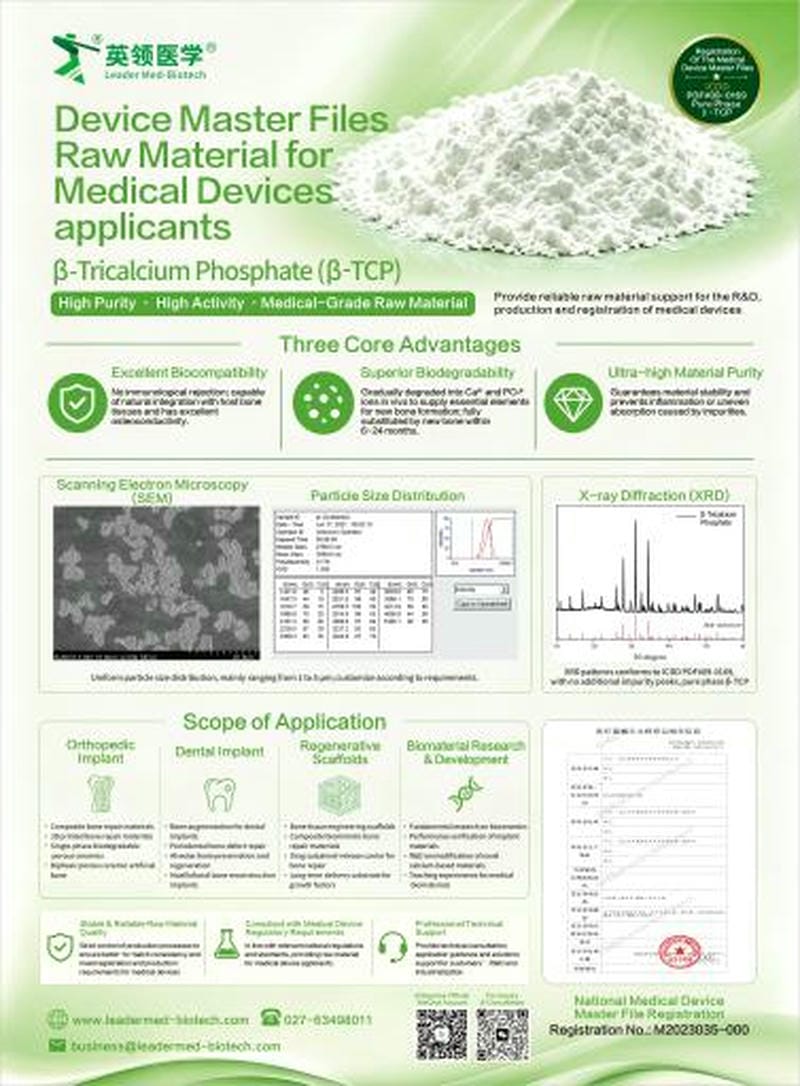
In the field of orthopedic clinical bone defect repair, the choice of raw materials directly determines product performance and therapeutic outcomes. High‑purity β‑tricalcium phosphate (β‑TCP) offers three key advantages as follows:
Excellent biocompatibility:
No immune rejection and natural integration with host bone tissue.
Superior degradability:
Gradually degrades in vivo into Ca²⁺ and PO₄³⁻ ions, providing essential elements for new bone formation. The material can be completely replaced by new bone within 6‑24 months.
Exceptionally High material purity:
Ensures material stability and helps minimize the risk of inflammation or uneven resorption caused by impurities.
With its outstanding material properties, high‑purity β‑TCP has become the preferred raw material for R&D and manufacturing of bone‑graft products. Through Leader Med‑Biotech’s continued technological development and refinement, β‑TCP delivers advances in both material performance and application versatility, providing strong support for conventional ceramic and 3D‑printed bone‑repair products.
I. Key Industrial Advantages of β‑TCP as a Raw Material for Bone‑Graft Products
Great processing adaptability: The powder offers good flowability and uniform particle size, making it compatible with a variety of processing technologies, including ceramic pore‑forming, sintering and 3D‑printing. It can be readily customized into different products forms, such as blocks, granules and porous structures.
Stable and reliable performance: With a stable chemical structure, β‑TCP is less prone to compositional variation during storage and processing. It can maintain key properties including biocompatibility and controllable degradability, helping ensure consistent quality of end‑use products.
Safety, compliance and Regulatory Advantages: Compliant with relevant standards for medical device raw materials and suitable for biological safety evaluation. β‑TCP helps end‑products speed up regulatory approval and shortens the R&D and time‑to‑market cycle.
II. Introduction to Leader Med‑Biotech’s β‑TCP Products
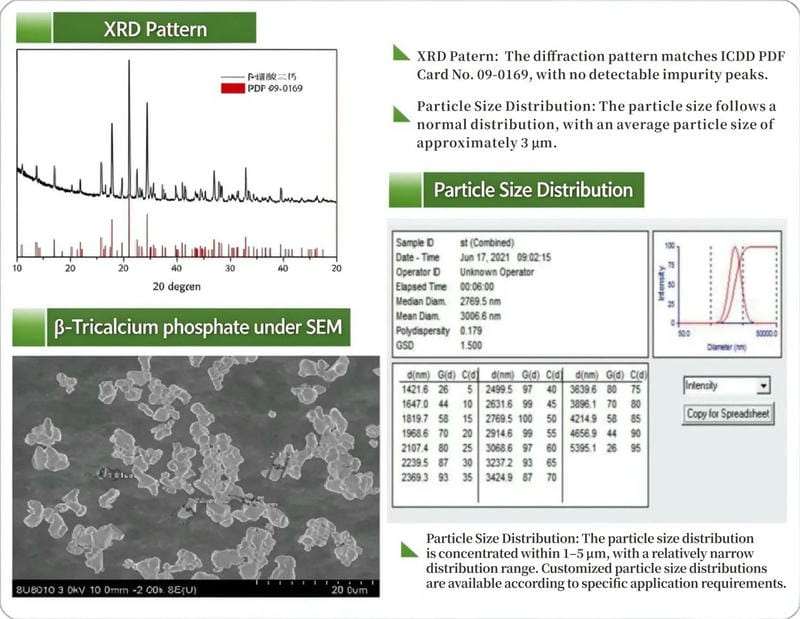
Quality Control: The XRD pattern complies with ICDD PDF card No. 09‑0169, with no additional impurity peaks, indicating high purity. The particle size follows an approximately normal distribution, with the main particle size range of 1‑5 μm. Customized particle sizes are also available according to customer requirements.
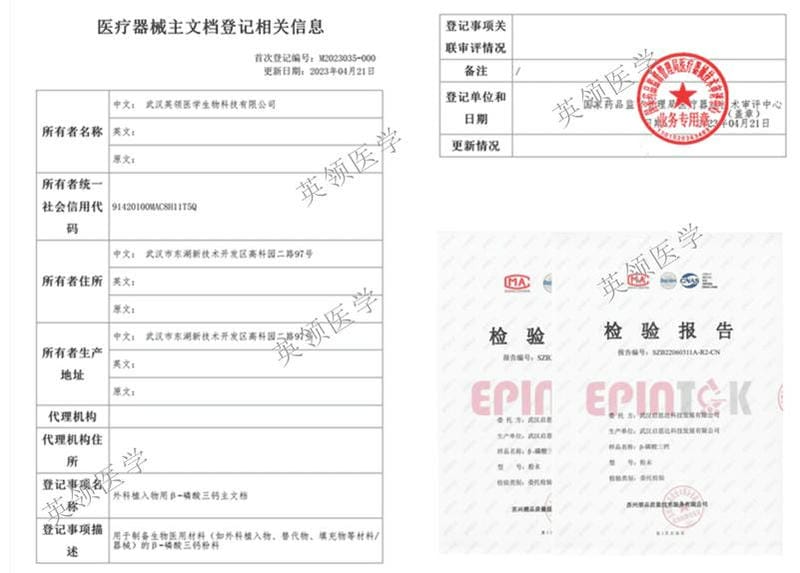
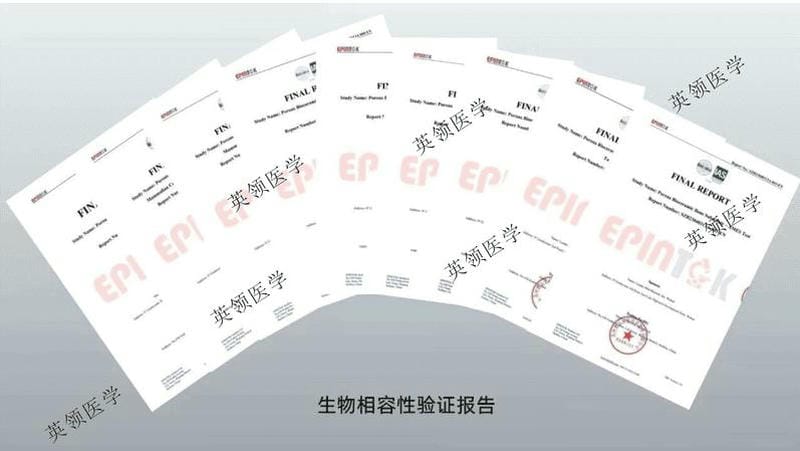
Regulatory Compliance: The product has completed Medical Device Master File Registration (Registration No. M2023030000). Authorized third‑party tests have been completed, providing authoritative verification of its safety and compliance.
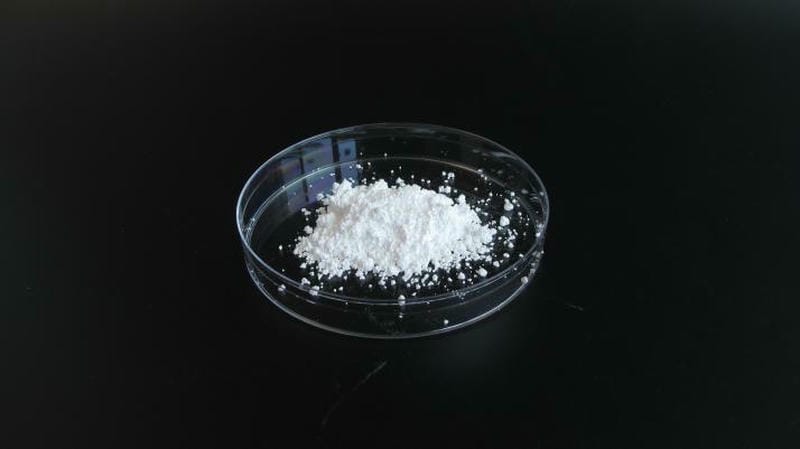
Multiple specifications: Available in 3 g, 5 g, 10 g, 100 g, 200 g and 500 g specifications to meet the requirements of different application scenarios.
Storage requirements: Store in a light‑protected, dry, well‑ventilated warehouse free of corrosive gases and avoid storage together with contaminants. The product has a shelf life of up to 3 years.
III. Traditional Ceramic Manufacturing Case: Customized and Precision Bone Repair
Using β‑TCP as the core raw material, Leader Med‑Biotech has developed YLBioss®, a bioceramic material featuring a multi‑level porous structure, based on patented technology (Patent No. ZL 2023 1 0870719.X).
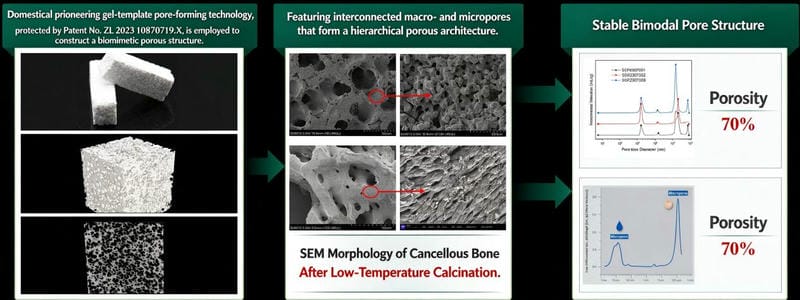
The material has undergone biocompatibility evaluation in accordance with ISO 10993, providing comprehensive assurance of product quality and safety.
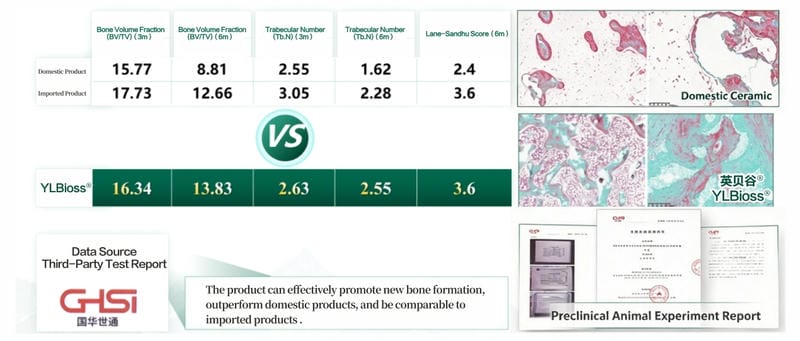
In an animal study using a rabbit femoral condyle defect model, YLBioss ® demonstrated good integration with host bone, exhibiting excellent osteogenic activity and tissue compatibility.
IV. 3D‑Printed Ceramic Case: A New Solution for Personalized Treatment
Leveraging the excellent flowability and printability of β‑TCP powder, Leader Med‑Biotech combines β‑TCP with 3D‑printing technology to develop personalized bone repair solutions.
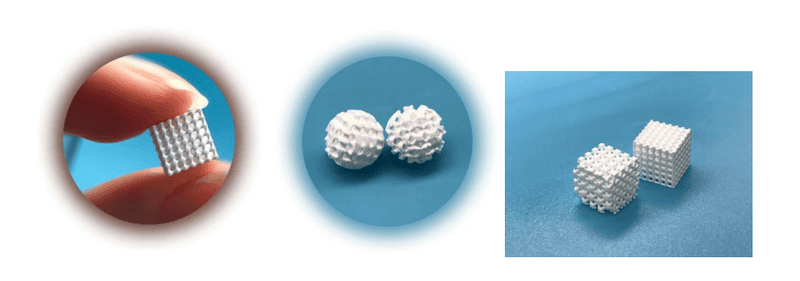
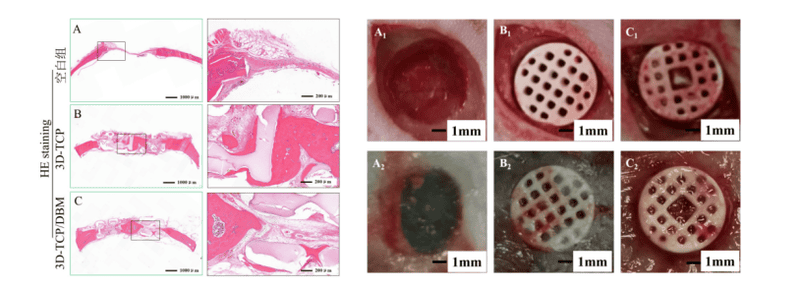
In an animal study using a rat calvarial defect model, the 3D printed bioceramic demonstrated the advantages of personalized customization. The material fits bone defects perfectly and presents good osteogenic performance [12].
[1] Preparation and performance characterization of a minimally invasive injectable biphasic bone cement and study of its osteogenic capacity when combined with DBM [J]. Orthopaedic Biomechanics Materials and Clinical Study, 2019.
[2] Laser 3D‑printing and performance study of HAP‑TCP composite bioceramic slurry [J]. Materials Review, 2021.
Location of the Wuhan R&D headquarters: No.97, Gaoke 2nd Road, East Lake High- Tech Development Zone, Wuhan.
Location of the laboratory in Hong Kong: 6 Science Park West Road, HKSTP.
Tel: 027-63498011 (Wuhan) 085268466734 (Hong Kong)
Email: info@leadermed-biotech.com


Follow Us